Ozoro Festival in Nigeria: Culture, Controversy, Videos and the Real Truth Behind The Event
Ozoro Festival

Ozoro Festival in Nigeria: Culture, Controversy, Videos and the Real Truth Behind The Event.
One of the latest events in the list of the hottest trends in Nigeria is the Ozoro festival and with the news of the 2026 celebrating going viral, it has become popular. For Isoko, traditional festivals held in the town of Ozoro, Delta State, where the culture is largely practiced promote unity, heritage and spiritual faith.
First, there were other festivals like the Uruamudhu-Aluejo and the Eri-Okpe Festival that were created to venerate the ancestors, glorify history and bless the people. Such activities are usually accompanied by traditional music, dances and cultural performances that attract tourists and boost tourism in Delta State.
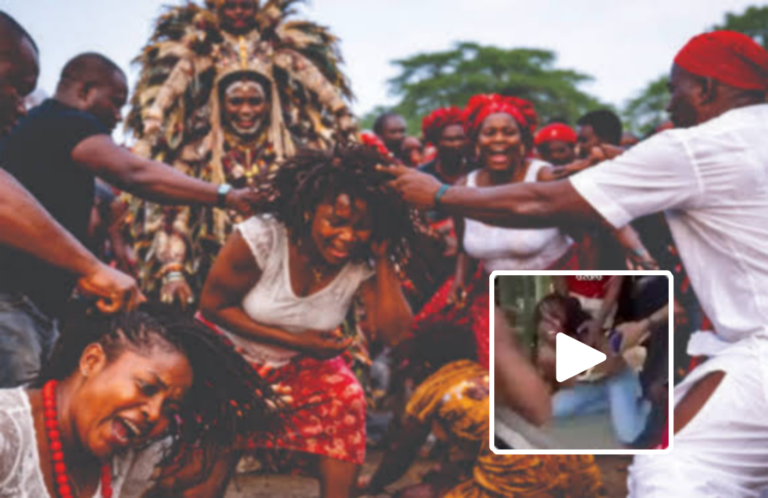
Ozoro 2026 festival however brought a lot of controversy on the internet. Reportedly, and virally, some people use the event to harass and beat women. This caused a huge riot in Nigeria because the majority wanted justice and an improved security when other cultural events were held. Law enforcement agencies responded promptly and began investigations and arrest.
It is important to note that these activities do not reflect the real Nigerian culture. Peace, unity and respect, not violence, should be encouraged in conventional festivals. Many community leaders and citizens have condemned the incidents pointing to the necessity to conserve the culture in order to safeguard human rights.
Being an expression of cultural pride, as well as the need to change something, the Ozoro festival remains topical today. Nigeria is in its developmental stage and there is a deafening call to ensure that the traditions evolve in a way that promotes dignity, safety, and progressive values.
one can say that the festival of Ozoro is a culturally rooted event, however, the recent developments show the importance of being accountable and changing the course of events to continue developing the rich Nigerian culture.